Begin with the learning purpose
A prototype is a representation built to explore a question. It may reproduce an object's shape, an interaction, or a particular behavior. Its value depends on how well that representation fits the question being asked.
A polished appearance can suggest completeness, even when important properties are absent. Naming those omissions helps a reader separate what the model demonstrates from what remains open.
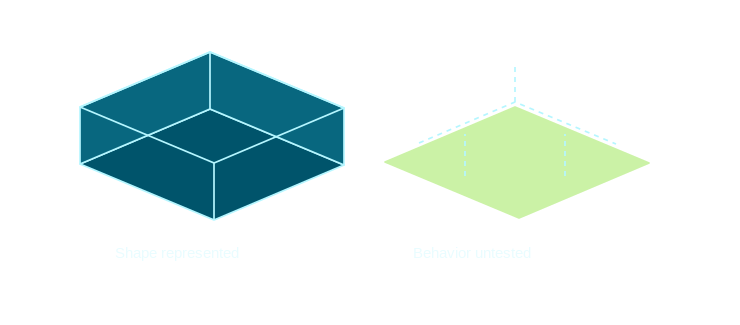
Hypothetical example
An enclosure made from card
Imagine a card model of a small instrument case. It could help someone judge whether a hand can reach a latch. It would not establish whether the eventual case keeps out water or tolerates heat. The card represents geometry; it does not reproduce every material property.
Even the reach question has boundaries. A model held on a table might feel different when mounted on a wall. A useful note would record the mounting position, the hand movement being explored, and the parts of the interaction that were simulated.
Carry the boundaries forward
When describing a prototype, distinguish the question, the represented features, and the omitted features. Keep observations close to those details. “The latch was reachable in this arrangement” is more informative than a broad statement that the design works.
A later version may answer a different question. A stronger material might permit a load test while changing the feel of the latch. Results from one representation should not silently become evidence for another.
Before accepting a prototype's apparent completeness, ask: which property would need a different representation to be investigated? That question keeps a useful demonstration from acquiring more meaning than it can support.
Background reading: IDEO on design and prototyping. The enclosure example above is hypothetical.